Get FREE Pain-Relief Starter Program
Full Explanations of Patterns
Detailed Exercises
CNS,Foot,and Rotation Included
Immediate Pain Relief
Mobility and Rotation
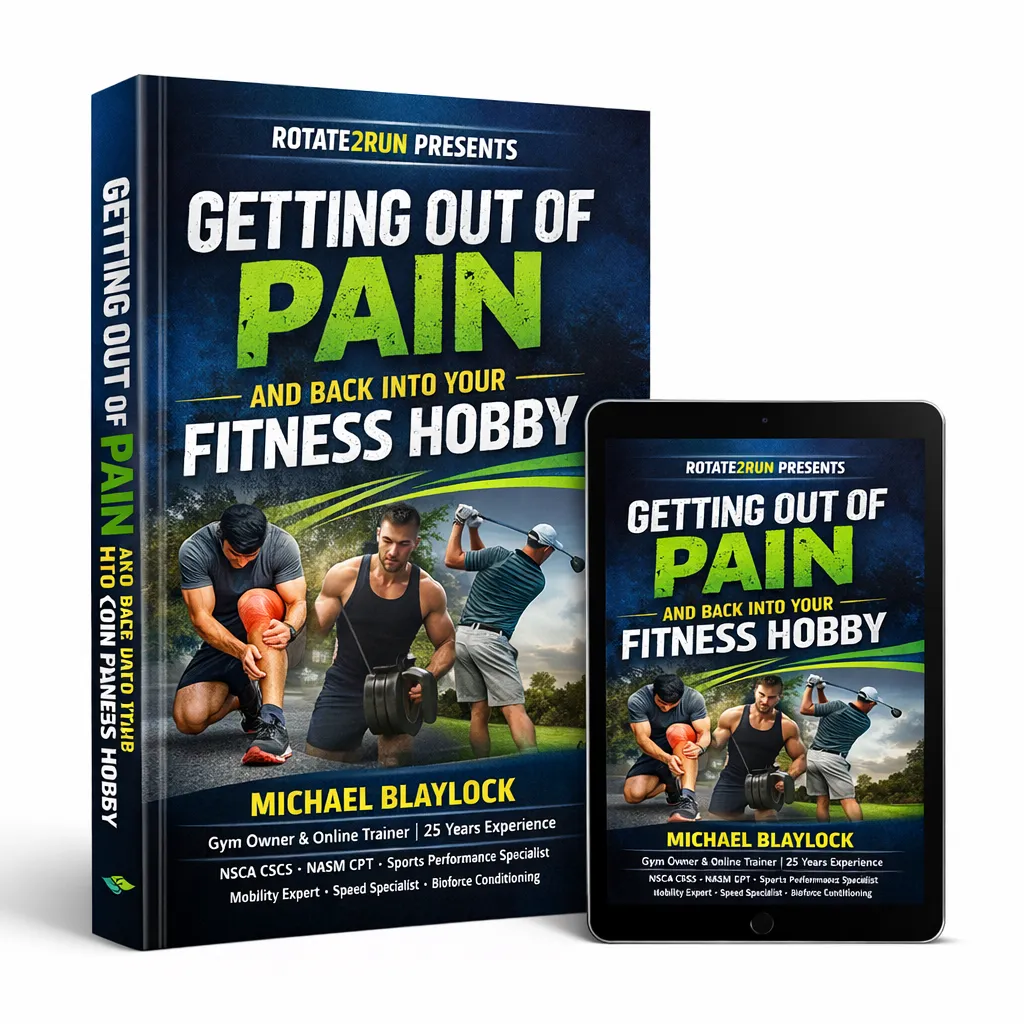
Instant Access
"The Last Pain Program You'll Ever Need"
Before working with Mike, I had recurring sciatica-like pain, sore knees, and constant lower back tightness. Any prolonged activity left me feeling broken, and I was constantly stretching and trying different programs just to manage the discomfort. Since starting, the change has been night and day. My hips feel more open and stable, I can work a full day at my desk without pain, and I’m back to walking, biking, and even jogging comfortably. What surprised me most was not just that it worked, but how it worked — Mike has an incredible ability to help the body unwind old patterns. If pain has been holding you back, I highly recommend getting assessed and starting the process — the results are real.

I absolutely crushed my workout this morning, and I have to say—this training approach is a game changer. I focused on rotational, unilateral movements for both my chest and lats, and everything felt incredible. Even doing 75 lb dumbbells on a flat bench with alternating hand positions, I could feel how effective and natural the movement was. It just makes sense the way everything comes together. What really stands out is how athletic and fluid everything feels compared to traditional training. My hips, glutes, and flexors have all felt 100% over the past couple of days, which is something I haven’t experienced in a long time. I’m genuinely excited to keep going and build on this. This style of training has me hooked—I’m already looking forward to the next session. Thank you again. This is seriously next level. 🙏🙏🙏
I've been with Mike for the last 4 years. I am always traveling as I am a competitive golfer and on the road for tournaments. His videos and explanations are really detailed on how he wants me to perform resets, exercises and cardio. My flexibility, strength and power are the best of my career. I feel great and he keeps me progressing and on task when he sends me his daily workouts. I meet with him online and the instruction is right on point as he shows me new movement patterns and exercises.
Working with Mike has been a true game changer. His focus on resets and proper body positioning has dramatically reduced my pain while significantly increasing my activity levels. He identified and corrected my bad movement patterns and built a program that truly fits my specific needs. I’m now moving better than ever and finally building my body the right way. The online format gives me incredible flexibility, and having my daily exercise prescriptions delivered right to my phone is a huge plus. Mike has perfectly tailored the program to the gym and equipment I currently use, which makes everything seamless and easy to follow. I highly recommend Mike to anyone who wants to move better, train smarter, and stay pain-free.
Mike has been a lifesaver for my back and sciatica pain. I wasted months in PT focusing on general exercises, but the pain was always there. I found myself stuck in a cycle of frustration—while I was putting in the work, every time I tried to return to lifting or my usual activity, my back and sciatica pain would flare up immediately. Mike took a different, highly personalized approach that finally worked. Even as a remote program, the support is incredible. He provides daily exercises that he adjusts in real-time. If I ever have a pain concern and message him, he responds quickly and modifies my plan immediately to keep me moving forward. He doesn’t just give me exercises; he has taught me how to move, what to avoid, and how to build true, lasting strength. I finally have my life back and am returning to my active lifestyle. I cannot recommend Mike and his program highly enough to anyone who is struggling with chronic pain and traditional methods aren’t working.

I have been working with Mike since my freshman year, and his training has made a huge impact on my athletic career. I compete as a runner for my high school and will be playing field hockey in college next year. Mike helped me work through knee pain while also making me faster—both on the field and on the track—which has allowed me to earn several high-level accolades along the way. His program is well-rounded and effective, with a strong focus on mobility, strength, and speed.
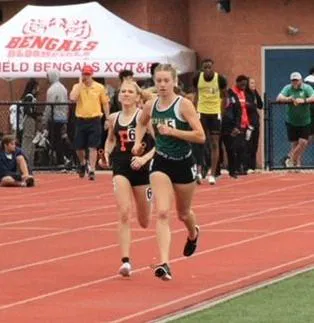
I’ve been working with Mike for a few years now, and I absolutely love the online program. My workouts are sent to me daily with clear videos and detailed explanations, which makes it easy to stay consistent and confident in what I’m doing. We meet a few times each month to troubleshoot, track progress, and learn new exercises, which keeps everything fresh and effective. Mike has taught me how to train efficiently and effectively — without the pain I used to deal with. My overall pain has decreased significantly, especially after playing a round of golf. I feel stronger, move better, and recover faster. I highly recommend Mike to anyone who wants to stay in shape and feel better as they get older.
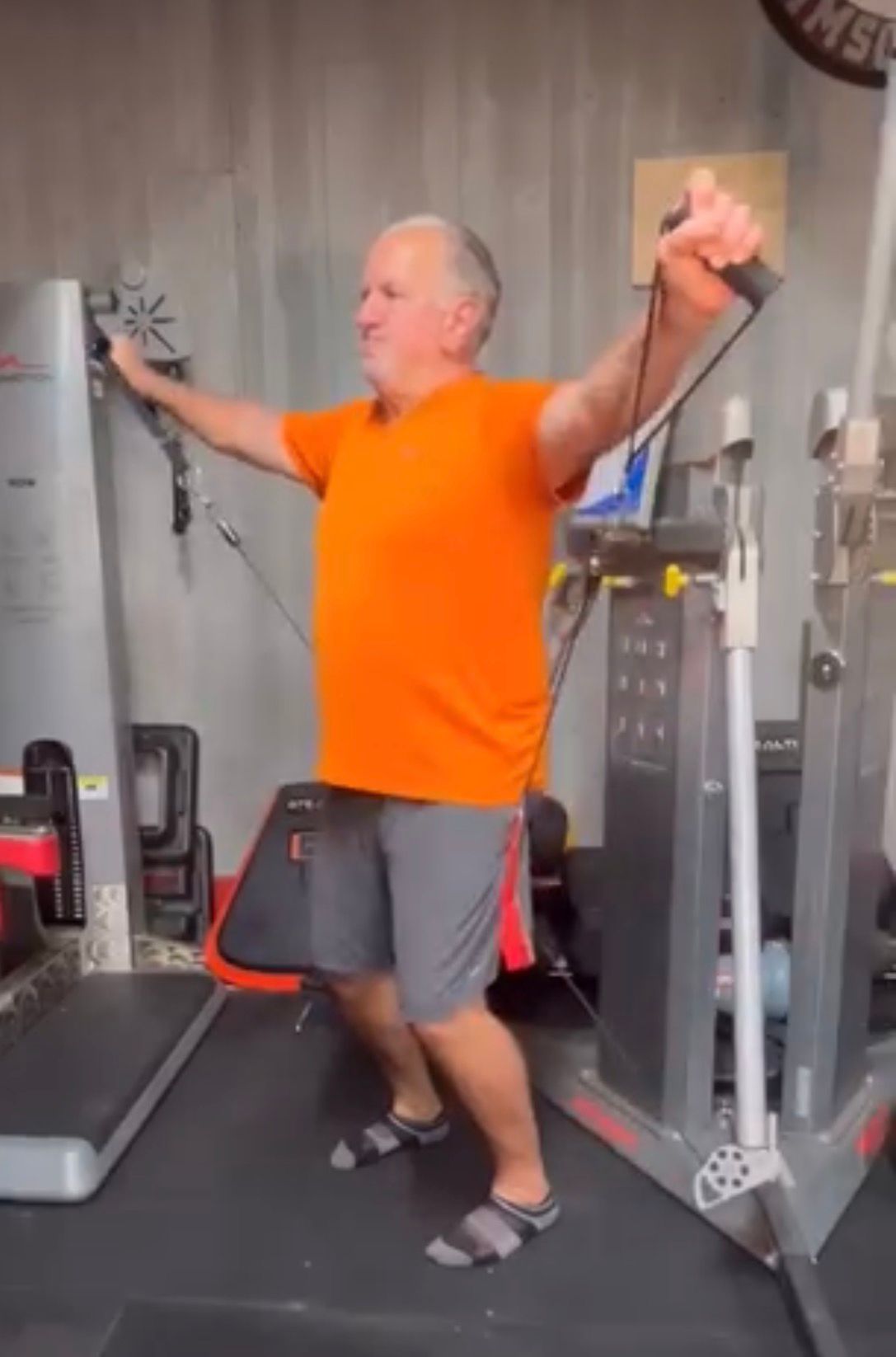
Before working with Mike, I was dealing with persistent, non-radiating trap and low back pain. Sitting for any length of time felt like something was clamping down on my neck and lower back — which was especially stressful because I need to sit for work. I was genuinely worried about my ability to support myself long-term. Prior to this, I had already spent six months seeing a McGill specialist and another physical therapist, but nothing fully resolved the issue. Working with Mike was a turning point. By engraining neutral movement patterns and learning how to incorporate them throughout my day, my pain is now either completely gone or something I can quickly control and fix. Today I feel nearly 100%, and I’m fully back to doing fitness activities again. What surprised me most was how important it was to regain awareness of where true spinal neutral is. It’s easy to lose and surprisingly hard to relearn. At first, maintaining that awareness felt impossible — but after a few weeks it became much easier, and that’s when my progress improved exponentially. I would absolutely recommend Mike. Everyone’s back pain is different, but if you haven’t been able to find neutral and pain-free movement patterns, that’s probably why nothing else has worked. This should be square one for anyone who spends significant time sitting or struggles with standing and moving comfortably.

I started training with Mike in February 2024. I was looking for an experienced trainer to help with strength training, toning, and weight loss—but I didn’t expect that pain relief would be part of the journey. At the time, I was dealing with left foot plantar fasciitis, right hip pain, and lower back pain. I had received an injection in my foot, completed physical therapy, and had been seeing a chiropractor for over 10 years. Today, I no longer have any foot pain. If I begin to feel discomfort in my lower back or hip, I use the simple reset techniques Mike taught me, and they provide relief. I’m extremely pleased with how my body feels now—both physically and mentally. Knowing I can live and exercise without pain, and without needing surgery, has been life-changing. I highly recommend Mike to anyone looking for an experienced and knowledgeable trainer who truly cares about helping you get healthy, strong, and painfree. Mike will not disappoint!
“I am running much faster and performing at a high level. I run so much more efficiently and actually understand why and the reasoning behind my training. Times that running has limited my mobility and caused stiffness and pain in my body. Mike resets those faulty patterns and those aches fall off and I feel fluid and fast again. Been around a lot of running coaches over the last four years and Mike's rotational presentation, mobility and drills just make sense to me and helped me get very fast in a short period of time while ridding me of back pain.
This platform has revolutionized our business operations. The seamless integration and powerful features have helped us scale our marketing efforts efficiently while maintaining excellent customer relationships.
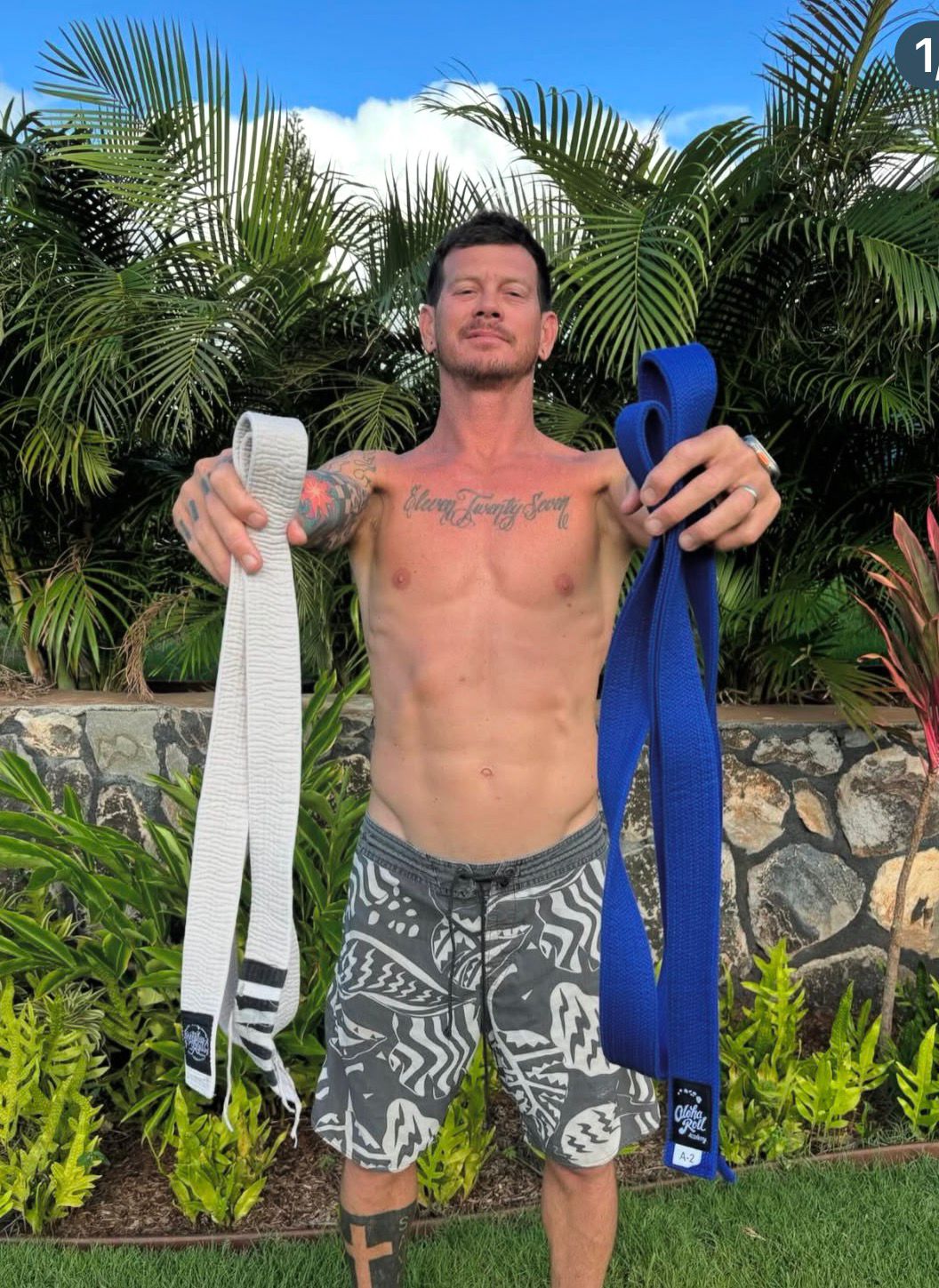
This system helped me improve my mechanics without disrupting my training. I genuinely felt myself getting faster and becoming a more efficient runner. Even my mom—who knows nothing about sports—noticed a huge difference from before I started the program. Mike’s attention to detail and ability to improve performance without overcomplicating the process is unmatched. Truly the best trainer I’ve ever worked with.
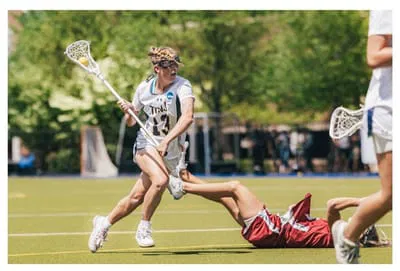
I've been with Mike for the last 4 years when I'm not traveling for Golf. He has shown and taught me how to keep my body feeling lose and mobile as I continue to swing the golf club consistently throughout the year. Mike is full of high end information that really makes sense and progress. His detailed resets allow me to stay rotational and fluid.
Before working with Mike, I couldn’t even pick up a sock off the floor without extreme low back pain. Standing for extended periods was unbearable, and I was completely knocked out of sports and fitness for months. Eventually, the pain started to take a toll on my emotional health too. I truly tried everything — multiple physios, yoga, Pilates, massage, and every stretching and strengthening routine I could find. Nothing gave me long-term relief. Eventually, I had to swallow my pride and try something that looked almost too simple to work. Thank God I did, because now I understand why it works. The brain plays a far greater role in low back pain than I ever realized. Today, I’m completely pain-free in daily life and 100% back to playing hockey. My low back feels the best it has in years. I can do all my fitness activities again — I just stay smart and mindful not to overload my back unnecessarily. What surprised me most was that holding simple ground positions and doing low-effort movements with specific breathing could make such a massive difference. I’d always believed more effort was better, but I had to learn to relax and trust the process. If you’re struggling with pain, I can’t recommend Mike enough. His approach might seem different and less mainstream, but that’s exactly why it works. If you go to Mike first, you’ll save yourself a huge amount of time, energy, and frustration. Even if you’ve already tried physio or chiro, Mike’s ability to address the root cause — not just the symptoms — sets him apart. Don’t give up hope. Commit to just one month with Mike and fully buy in. It will pay dividends for the hundreds of months ahead — physically, mentally, and financially.
I switched over from serious dance to competitive running a few years back. Mike was able to help me get out of dance posture and really zone in on solid running technique. He has done a great job keeping me mobile and fluid teaching me a toolbox of methods that will help me stay healthy as I plan to run at the college level next year
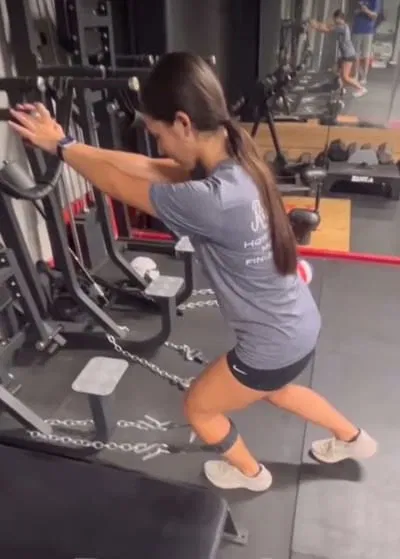
I was with Mike as a youth athlete and I started lifting on my own. I had a few major injuries and reunited back with him my Senior year of High School. He repatterned me, which got me stronger, mobile and much faster. I was able to keep strength and muscle while opening up my rotation which has allowed my speed to really shine. In addition, my swing has become fluid and powerful as well.
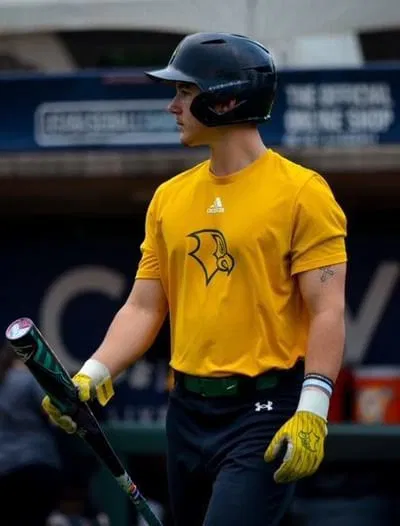
I was with Mike my Senior Year and had major knee pain. Mike was able to completely assess my restrictions, restore them and had me running faster within a month. My strength was my weakness because I had trouble with my knees, but by the time I got to college I was pain free and on the stronger side of an incoming freshman. His online program is sent to me everyday where I can take advantage of his workouts, mobility drills and acceleration techniques talk me through step by step.
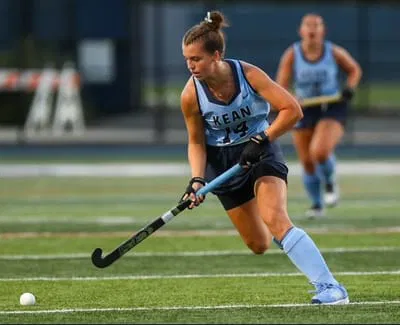
I have been training with Mike since seventh grade, and his guidance has played a major role in my development as an athlete. I am now playing baseball at a high collegiate level and will be attending La Salle next year. As a catcher, mobility has always been a priority, and Mike has worked with me extensively to improve it. Through his training, I broke my school’s plyometric jump record and significantly improved my speed—even as a catcher. Mike’s ability to develop well-rounded, high-performing athletes truly sets him apart
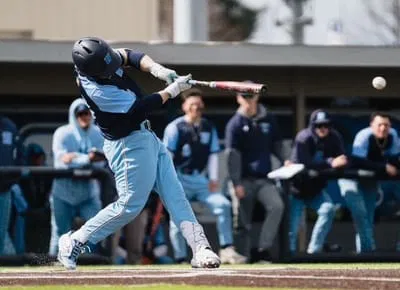
I have been with Mike for the last five years and he has helped me become faster, stronger, and more durable during my time with him at The Barn. His running program is in depth and biomechanically correct as I continue to improve at a rapid rate and plan to run in college in 2027. He loves the biomechanics of running and you can tell it in his passion and attention to detail in his program.
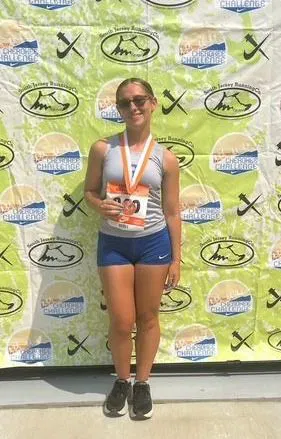
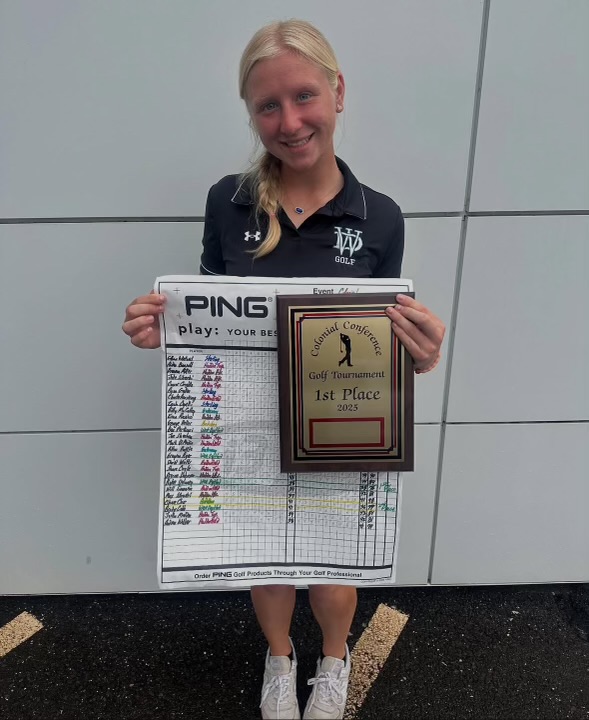
As a high school golfer, the service provided was indispensable in helping me refine my skills and enhance my game. Getting out of my right hip into my left hip was a challenge, but once I opened up my mobility my game really took off and my usual aches and pains were gone. I trained my pattern to genuinely get in and out of both sides, my swing path got smoother and thru genuine exercises...my ball soared. Highly recommended!
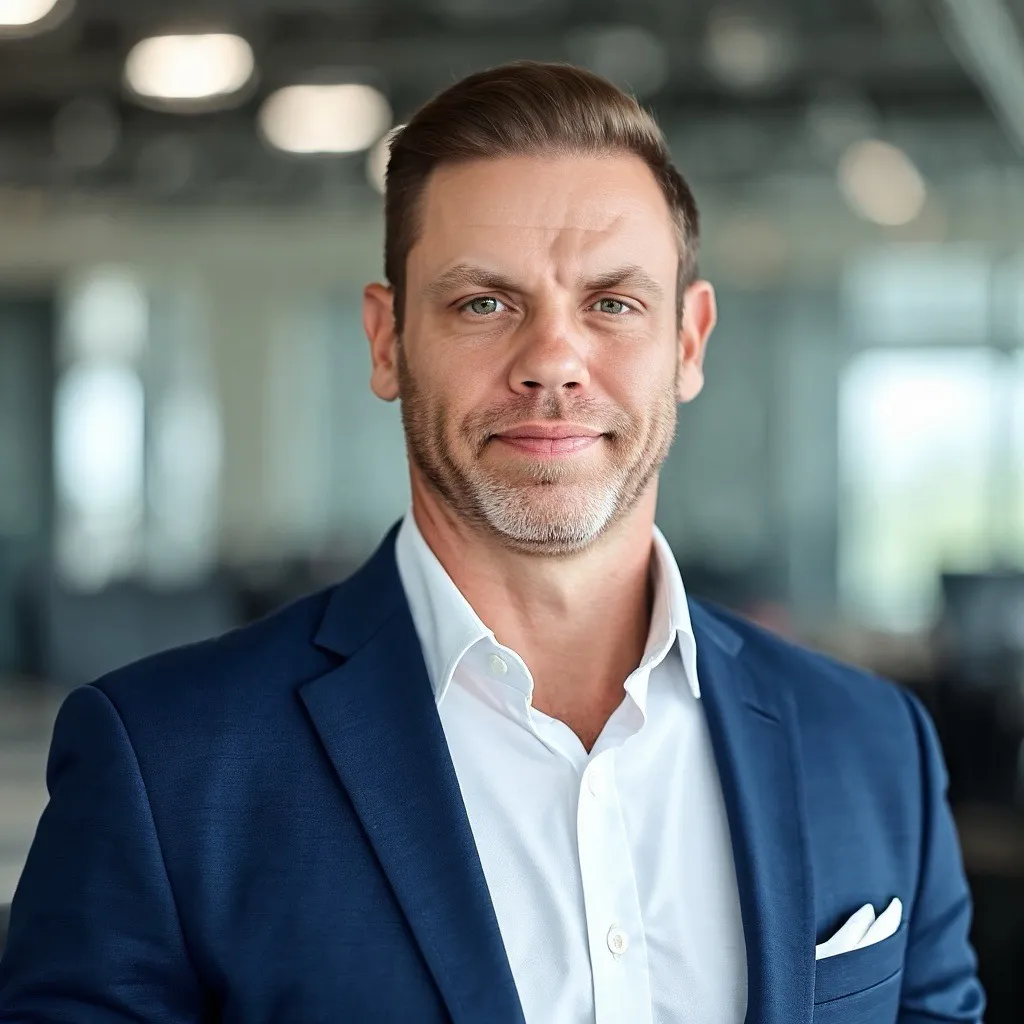
Michael Blaylock is a seasoned fitness professional and gym owner with over 25 years of experience helping individuals unlock their physical potential. He holds certifications from NSCA-CSCS, NASM, Bioforce Conditioning, and Taft Speed & Agility, and is currently completing his PhD in Exercise Science.
Throughout his career, Michael has built a reputation for developing athletes and adults to become faster, stronger, and more powerful. While performance training was a strong foundation, his true passion evolved into something deeper—identifying and correcting faulty movement patterns, chronic tightness, and persistent pain. His journey became personal following a full right shoulder repair and right hip replacement. After investing in many of the industry’s top therapeutic courses, he found that conventional approaches often failed to fully resolve the underlying issues—both in himself and in his clients.
This led him to explore the concept of asymmetry and the compensations the body develops over time. Studying under some of the leading minds in the health and therapy space, Michael discovered what he believes to be a root cause behind many chronic movement dysfunctions and pain patterns.
Over the past five years, he has refined a comprehensive system—both online and in person—that has helped hundreds of individuals find relief after years of frustration, time, and financial investment in ineffective solutions. Michael’s mission is simple: to help people move better, feel better, and perform at a higher level. He is committed to continuing this work and reaching thousands more in the years ahead.
FAQ
Why is this program done online instead of in person?
Lasting change requires consistent daily resets—something even frequent in-person sessions can’t fully provide on their own.
Through this program, you’ll learn how to assess your own body and movement patterns, allowing you to make adjustments in real time. I’ve conducted thousands of online assessments and have developed a highly accurate, results-driven approach.
All sessions are held via Zoom, making it easy to stay consistent and fit the program into a busy schedule.
How do I access my workouts and stay supported throughout the program?
All clients receive access to the TrueCoach portal, where your individualized workouts are delivered directly to your phone.
Each exercise is carefully designed and personally recorded by me, with clear, detailed instructions to make them easy to follow. During our sessions, we’ll also go over each movement in depth to ensure you fully understand how to perform them correctly.
You’ll have 24/7 access to direct messaging for ongoing support. We’ll exchange videos regularly to track progress, maintain accountability, and quickly troubleshoot any issues that come up.
What equipment do I need, and how does the program start?
Once you sign up, you’ll receive a starter package that includes a door anchor (fits into your doorframe), a resistance sport cord, and a harness.
During the first week, most of the work is done on the ground. We focus on resetting your body, improving foot mechanics, and developing proper breathing patterns.
When your package arrives, we begin integrating standing work. The equipment provides helpful constraints for positioning and adds resistance for strength training, allowing you to reinforce and solidify your new movement patterns.
You may also need a few light dumbbells or kettlebells. These can be purchased inexpensively from most sporting goods stores or online.
Why does my body feel tight, stuck, or out of balance? Isn't Asymmetry Normal?
Why does my body feel tight, stuck, or out of balance?
The human body is naturally asymmetrical, and we rely on that asymmetry to create efficient movement, speed, and power. This isn’t a problem—in fact, it’s essential for performance.
However, issues arise when we rely too heavily on one side of the body. Over time, this can cause us to get “stuck” in that position, making it harder to shift or rotate in the opposite direction.
When this happens, the body begins to compensate. A common pattern is extending the lower back and tilting the pelvis forward. While this may feel like it helps in the moment, it actually limits rotation even further.
As compensation builds, posture starts to change—we may lean forward more, round the shoulders, and push the head forward. This reduces our ability to move freely and efficiently, and eventually discomfort or pain can develop.
At that point, the body becomes compressed and restricted, like it’s being “squeezed.”
The goal is to restore balance by improving movement options—so we can still use our natural asymmetry, but without getting stuck in it. By maintaining this flexibility, we reduce strain, improve posture, and keep the body moving the way it was designed to.